Request a Detailed Estimate Walkthrough & Counselor Consultation
Do not navigate closing costs, prepaids, and program requirements alone. Connect with a licensed Oregon mortgage professional or certified housing counselor to verify your exact cash-to-close.
Itemized Closing Cost Breakdown
Review third-party escrow, appraisal, recording, and title fees specific to Oregon counties.
Prepaid & Escrow Analysis
Calculate taxes, prepaid interest, and homeowner insurance buffers required at closing.
Down Payment Assistance Stacking
Evaluate OHCS FirstHome and local regional grant combinations to minimize cash-to-close.
Ready to review your numbers?
Get a personalized review of your qualification ratios, cash-to-close worksheets, and potential assistance program eligibility.
IMPORTANT CONSUMER NOTICE FOR ALL SIX RESOURCES
Updated 2026These materials are for educational and planning purposes only. They do not constitute a loan approval, commitment to lend, credit decision, financial advice, legal advice or guarantee of eligibility.
Mortgage guidelines, interest rates, loan limits, income limits, down payment assistance availability and underwriting requirements can change. Individual lenders may also maintain requirements beyond agency minimums.
Borrowers should verify current program requirements with a licensed mortgage professional and, when applicable, the appropriate government or housing agency before making financial decisions.
Understanding Oregon Closing Costs & Final Cash Needed
Closing costs typically range between 2% and 5% of your total loan balance. Use this comprehensive breakdown sheet to budget effectively, eliminate settlement day surprises, and understand every fee line-item for FHA, VA, USDA, and conventional financing.
Closing Cost & Cash-to-Close Breakdown
Understand the critical difference between your initial down payment and the total cash required on signing day.
Down Payment is Only One Component
Your down payment creates immediate home equity.
Total cash to close combines this equity with lender charges, title settlement services, prepaid taxes, and initial escrow cushion reserves.
Eligible seller concessions, lender credits, gift funds, and Oregon Down Payment Assistance (DPA) grants can substantially reduce your net out-of-pocket check on signing day.

Worked Oregon Closing Scenarios
Line-by-line simulation of real Pacific Northwest transactions
| Cost Component | Line Item Detail | Amount |
|---|---|---|
| Down Payment | 3.5% equity contribution | $14,875 |
| Lender Charges | Origination, processing & underwriting | $2,450 |
| Third-Party Services | Appraisal, credit reports, flood certification | $875 |
| Title & Settlement | Oregon title policy, escrow settlement & recording | $2,150 |
| Prepaid Expenses | 1-year homeowners insurance + prepaid daily interest | $2,850 |
| Initial Escrow Account | Cushion for Oregon county property taxes & insurance | $1,950 |
| Minus: Earnest Money | Upfront deposit made with purchase contract | -$3,000 |
| Minus: Seller Concession | Negotiated closing credit from seller | -$5,000 |
| Minus: Oregon DPA Grant/Loan | OHCS FirstHome down payment assistance credit | -$17,000 |
| Estimated Total Net Cash to Close | $150 | |
Summary Equation
Oregon does not have a general statewide real estate transfer tax (with rare local municipal exceptions).
Always verify exact local settlement charges with your escrow officer and certified loan advisor.
Request an Exact Loan EstimateLender-Related Costs
Origination charges, discount points, processing, underwriting, credit reports, and appraisal inspection fees.
Title & Settlement
Oregon lender title policy, escrow settlement fees, county recording, and property document transfer charges.
Prepaids & Escrow
First-year hazard insurance premium, per-diem interest, plus 2 to 6 months cushion for local property tax reserves.
Credits & Reductions
Earnest money deposits, seller concessions, lender credits, family gift funds, and Oregon state DPA assistance.
Seller Contributions & Limits
Current OHCS FirstHome & agency program parameters
Up to 6%
Maximum seller contribution generally 6% of the purchase price under HUD guidance.
Up to 6%
Maximum seller contribution generally 6% applied toward eligible closing expenses.
VA Agency Rules
Follows VA guidelines for customary closing costs plus a 4% cap on specific concessions.
Varies by CLTV
Caps vary (typically 3% on high LTV transactions) based on your loan structure.
Important Concession Rule:
Do not assume that receiving the maximum seller contribution is automatically permitted.
Credits generally cannot become cash back to the borrower beyond verified closing costs and prepaids.
Cash-to-Close Questions for Your Loan Officer
Essential questions every Oregon homebuyer should review prior to final underwriting approval.
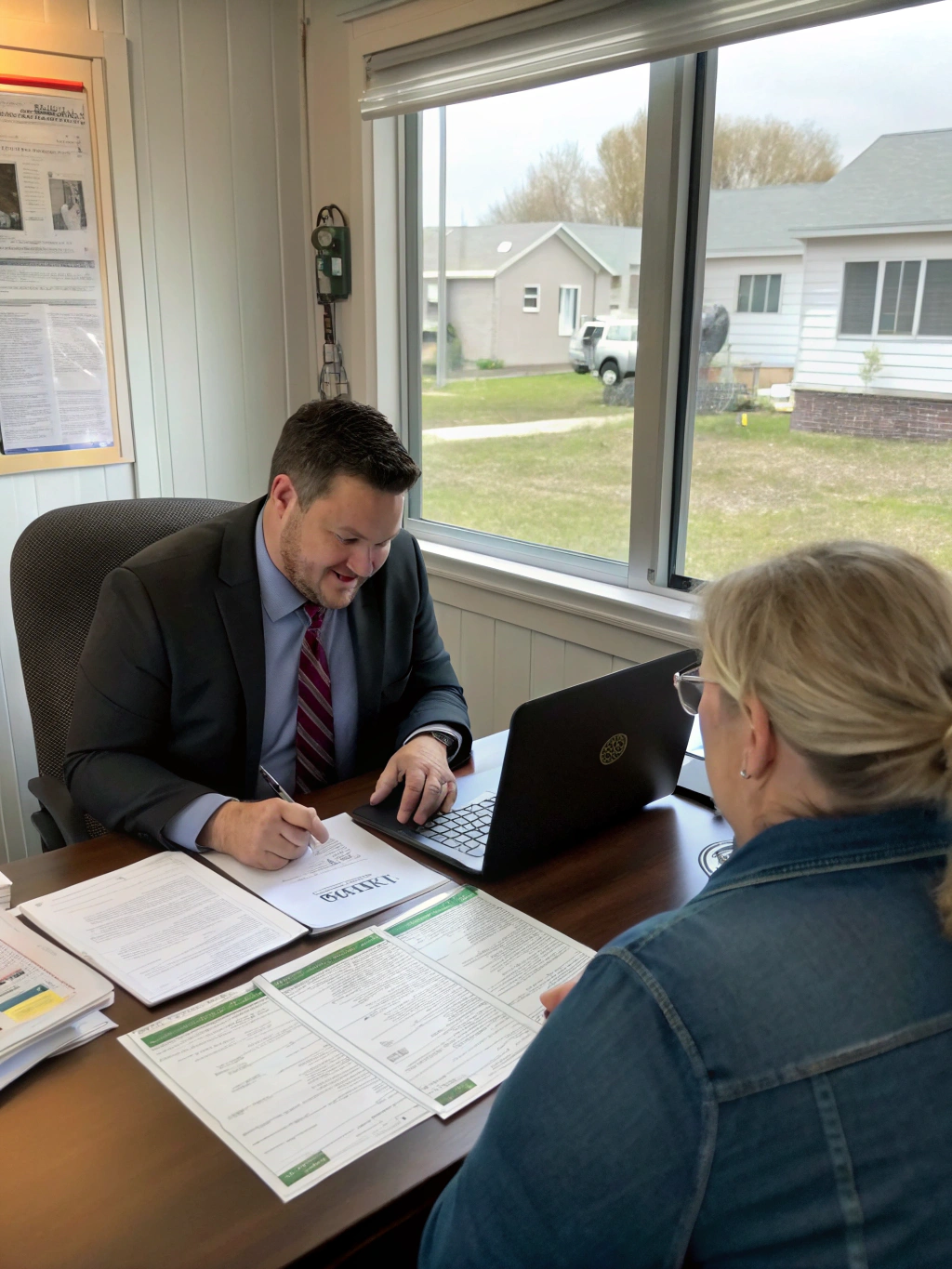
Reviewing Your Final Closing Disclosure (CD)
By federal law, you must receive your Closing Disclosure at least 3 business days prior to closing.
Compare every line item on your CD with your original Loan Estimate to catch unapproved fee increases.
These materials are for educational and planning purposes only. They do not constitute a loan approval, commitment to lend, credit decision, financial advice, legal advice or guarantee of eligibility.
Mortgage guidelines, interest rates, loan limits, income limits, down payment assistance availability and underwriting requirements can change. Individual lenders may also maintain requirements beyond agency minimums.
Borrowers should verify current program requirements with a licensed mortgage professional and, when applicable, the appropriate government or housing agency before making financial decisions.
Seller Contributions & Concession Rules
Seller-contribution limits depend on the loan program and transaction structure. Learn how to maximize allowable credits toward closing costs and prepaids under Oregon home financing guidelines.
Understand the true Value of Seller Concessions
Do not assume that receiving the maximum allowable seller contribution is automatically permitted or useful. Credits generally cannot simply become cash back to the borrower beyond what program rules allow.
| Loan Program | Maximum Contribution | Governing Standard |
|---|---|---|
FHA Financing | 6% | OHCS / Agency Rule |
VA Financing | 4% | VA Agency Guidance |
USDA-RHS Financing | 6% | OHCS / Agency Rule |
Conventional / OHCS FirstHome | 3% | CLTV Tier Structure |
Cannot be used toward the borrower's minimum required 3.5% down payment. Excess credit cannot be disbursed as cash back.
Strategic Ways to Deploy Seller Credits
How Oregon home buyers maximize concessions to minimize out-of-pocket costs at closing
Use seller concessions to purchase discount points or fund a 2-1 temporary buydown to substantially lower your initial monthly mortgage payment.
Shift the burden of first-year homeowners insurance, property tax reserves, and initial escrow reserves entirely onto the seller concession.
Direct seller funds toward title insurance, escrow settlement fees, appraisal charges, and loan processing fees to keep personal savings intact.
Combine Oregon OHCS FirstHome assistance (4%–5%) for your down payment with seller concessions for closing costs to achieve near-zero out-of-pocket transactions.
Frequently Asked Concession Questions
No. Standard mortgage regulations prohibit seller concessions from covering the mandatory borrower down payment. However, seller credits can pay your closing costs and prepaids, freeing your personal savings for the required down payment.
- Can the seller contribute toward my closing costs in this specific market?
- Can I combine seller concessions with Oregon DPA or gift funds?
- What exact amount should I retain in personal savings after closing?
- Would FHA, VA, USDA, or conventional financing make the most sense for concessions?
- What fees or prepaid escrow items could change before our closing date?
Important Consumer Notice
These materials are for educational and planning purposes only. They do not constitute a loan approval, commitment to lend, credit decision, financial advice, legal advice, or guarantee of eligibility.
Mortgage guidelines, interest rates, loan limits, income limits, down payment assistance availability, and underwriting requirements can change. Individual lenders may also maintain requirements beyond agency minimums. Borrowers should verify current program requirements with a licensed mortgage professional and, when applicable, the appropriate government or housing agency before making financial decisions.
CLOSING COST & CASH-TO-CLOSE BREAKDOWN SHEET
Understand the Difference Between Down Payment and Cash to Close
Your down payment is only one component of the money that may be needed to purchase a home. Use this worksheet to calculate individual lender fees, third-party title costs, prepaids, and eligible credits.
Cash to close can include:
A complete accounting of funds required at the closing table on settlement day.
Actual fees vary by lender and transaction.
Oregon buyers should not automatically assume a generic statewide real-estate transfer tax applies to every transaction. Location-specific charges should be confirmed with the title/escrow company.
ESTIMATED CASH-TO-CLOSE
Formula calculation based on your current inputs
Do not assume that receiving the maximum allowable seller contribution is automatically permitted or useful. Credits generally cannot simply become cash back to the borrower beyond what program rules allow.
Can the seller contribute toward my closing costs?
Yes, subject to program limits and purchase contract negotiations.
Can I use gift funds?
Yes, with verified donor funds, gift letters, and transfer documentation.
Do I qualify for Oregon DPA?
OHCS FirstHome and participating local city/county programs offer down payment assistance for eligible Oregon buyers meeting income and credit guidelines.
Can DPA cover closing costs as well as my down payment?
Certain programs permit excess assistance beyond down payment to offset closing costs.
What amount should I keep in reserves after closing?
Aim for 2 to 6 months of living expenses beyond mandatory lender reserve minimums.
What costs could change before closing?
Prepaid interest depends on your exact closing date, while title and taxes finalize at settlement.
Standard Printable Worksheet View
Verbatim line items for manual homebuyer budgeting & counseling sessions
DOWN PAYMENT
LENDER-RELATED COSTS
TITLE / ESCROW / THIRD-PARTY COSTS
PREPAID ITEMS
CREDITS AND ASSISTANCE
ESTIMATED CASH-TO-CLOSE CALCULATION
IMPORTANT CONSUMER NOTICE FOR ALL SIX RESOURCES
These materials are for educational and planning purposes only. They do not constitute a loan approval, commitment to lend, credit decision, financial advice, legal advice or guarantee of eligibility. Mortgage guidelines, interest rates, loan limits, income limits, down payment assistance availability and underwriting requirements can change. Individual lenders may also maintain requirements beyond agency minimums. Borrowers should verify current program requirements with a licensed mortgage professional and, when applicable, the appropriate government or housing agency before making financial decisions. Updated 2026.